Faux Embroidery Fall Pumpkin Clipart Review
As an embroidery designer who has spent years digitizing logos and creating custom machine embroidery design files for small businesses, I approach every new asset with a critical eye. It is not just about whether a graphic looks cute on a screen; it is about how it translates to fabric, thread, and ultimately, the customer’s hands. Recently, I evaluated Faux Embroidery Fall Pumpkin Clipart to determine its viability for branded merchandise and commercial use. This review focuses on how this specific set of Illustrations and Graphics can serve entrepreneurs, from boutique owners to café managers looking to elevate their autumn branding.
First Impressions: Visual Personality and Professionalism
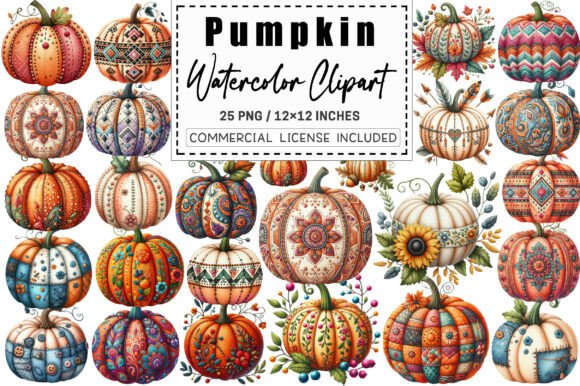
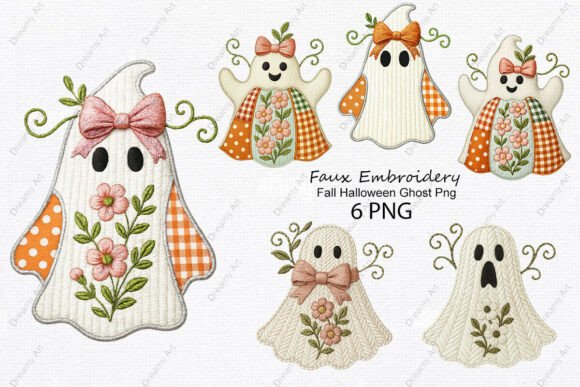
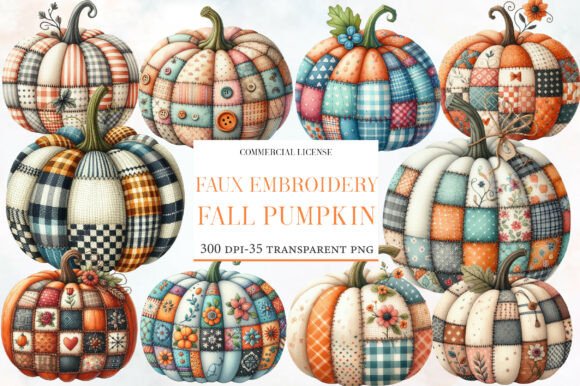
The immediate appeal of Faux Embroidery Fall Pumpkin Clipart lies in its aesthetic mimicry. The term "faux embroidery" suggests a digital rendering that simulates the texture, depth, and stitch direction of real thread work. For a business owner, this is a powerful tool. It offers the warm, handmade feel of traditional craft without the immediate overhead of physical production during the design phase. The design feels rustic yet polished, striking a balance between playful and premium. It does not look like a cheap clip-art afterthought; rather, it presents as a deliberate design choice that signals quality.
When I first opened the files, I noted the resolution. The product description states you receive 35 PNG files at 12x12 inches with transparent backgrounds. For digital mockups, sublimation designs, and printable assets, this transparency is crucial. It allows for seamless integration into various layouts without the awkward white boxes that plague lower-quality graphics. However, as a designer, I must clarify that these are raster images, not vector files or actual digital embroidery file formats like PES or DST. This distinction is vital for anyone planning to send this directly to an embroidery machine.
Real-World Business Applications
So, how does Faux Embroidery Fall Pumpkin Clipart perform in a real business scenario? Let us imagine a local artisanal bakery or a boutique florist preparing for the fall season. These businesses thrive on visual consistency and emotional connection. Using these graphics, they can create cohesive small business merch that resonates with their audience.
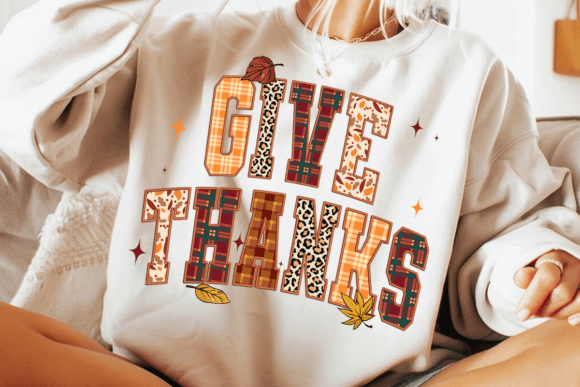
- Sublimation Products: Since the files are high-resolution PNGs, they are perfect for sublimating onto mugs, pillows, and tote bags. The faux stitch effect adds a tactile visual interest that makes the finished product look more expensive than standard flat prints.
- Digital Marketing Assets: Use these graphics for social media posts, email headers, or website banners. They provide an instant seasonal update to your brand identity without requiring a photoshoot.
- Printable Mockups: If you sell physical embroidered items, use these faux designs to create realistic printable mockup presentations for your online store. This helps customers visualize the final look before purchasing.
- Packaging Accents: Print these on sticker labels for product packaging. A pumpkin patch sticker on a brown kraft box enhances the unboxing experience, reinforcing the handmade, thoughtful nature of your brand.
For apparel decorators, these graphics serve as excellent references. If a client wants a pumpkin design on a tote bag design or a t-shirt, you can use this clipart as the visual guide for your digitizing process. It saves time in the conceptual phase, allowing you to show the client exactly what the vibe will be before you spend hours adjusting stitch density and pathing in your software.
Strategic Placement and Cautionary Notes
While the visual appeal is strong, using Faux Embroidery Fall Pumpkin Clipart requires strategic thinking, especially if you are transitioning from digital print to physical embroidery. If you plan to use this as a reference for an embroidered patch or direct cap embroidery, consider the following constraints.
First, assess the complexity. Faux embroidery graphics often include subtle shading and fine details to mimic thread. In real embroidery, tiny details can get lost, especially on textured fabrics or when scaled down. If you are creating a small chest logo accent or a sleeve detail, ensure that the simplified version of this design retains its recognizability. Complex gradients in the PNG should be converted to solid thread colors to maintain clarity.
Second, consider the surface. Curved surfaces like caps or thick materials like denim jackets require careful handling. A design that looks balanced on a flat 12x12 inch screen may distort on a curved cap front. Always test the scale. For apron embroidery or staff uniforms, ensure the design is large enough to be seen but not so dense that it compromises the fabric's drape or comfort.
Third, be mindful of washing and wear. If you are using these graphics for sublimation on polyester blends, durability is generally high. However, if you are digitizing this into a real machine embroidery design, consider the stabilizer type. A cut-away stabilizer might be necessary for stretchy fabrics to prevent puckering, while a tear-away might suffice for stable woven tote bags.
Enhancing Brand Identity and Customer Trust
In the competitive world of custom apparel and handmade goods, consistency builds trust. Faux Embroidery Fall Pumpkin Clipart contributes to a cohesive visual language. When customers see the same rustic, stitched-style pumpkin on your Instagram, your website, and their purchased mug, it reinforces professionalism. It tells them that you pay attention to details.
Moreover, this type of imagery taps into the nostalgia and warmth associated with autumn. For a pet brand or a creative studio, using these design assets can humanize the brand. It moves away from cold, corporate aesthetics toward something approachable and friendly. This emotional connection drives buyer engagement and can justify a higher price point for your handmade product lines.
Practical Designer Notes for Implementation
Before you integrate Faux Embroidery Fall Pumpkin Clipart into your next commercial project, follow these practical steps to ensure success:
- Test in Black and White: Convert the PNG to grayscale to check contrast. If the details disappear in black and white, they may also get lost in low-contrast thread combinations on fabric.
- Check Scale: Print the design at the intended size. Does it hold up at 2 inches wide? If not, simplify the elements before digitizing or printing.
- Review Thread Color Contrast: If digitizing, choose thread colors that stand out against your base fabric. Dark uniforms need bright or metallic threads to make the pumpkin pop.
- Confirm Hoop Size: Ensure your design fits within your machine’s hoop size. While the PNG is 12x12, your actual embroidery hoop might be smaller, requiring resizing.
- Create a Mockup: Use the transparent PNG to overlay on photos of your actual products. Show this to clients for approval before starting production.
- Verify Licensing: The product description mentions commercial use for items like cards and t-shirts, but always double-check the specific license terms provided by the creator. Confirm that you have the right to use these Graphics for mass-produced commercial embroidery projects if you are outsourcing the physical stitching.
In conclusion, Faux Embroidery Fall Pumpkin Clipart is a versatile asset for small business owners. It bridges the gap between digital convenience and tactile warmth. Whether used for sublimation, packaging, or as a reference for physical embroidery, it offers a professional, rustic charm that enhances brand identity. By understanding its limitations and leveraging its strengths, you can create memorable, high-value merchandise that stands out in the autumn market.