Lily Daisy Embroidery Design Review
As an embroidery designer who spends countless hours digitizing patterns and testing them on various fabrics, I have learned that not every digital file translates well into a tangible, high-quality finished product. When browsing Creative Fabrica embroidery collections, I look for designs that balance aesthetic appeal with technical feasibility. Recently, I came across the Lily Daisy Embroidery Design, a piece categorized under Single Flowers that promised a timeless floral touch. After reviewing its potential for real-world application, I wanted to share my perspective on how this design performs in a professional setting.
First Impressions and Visual Mood
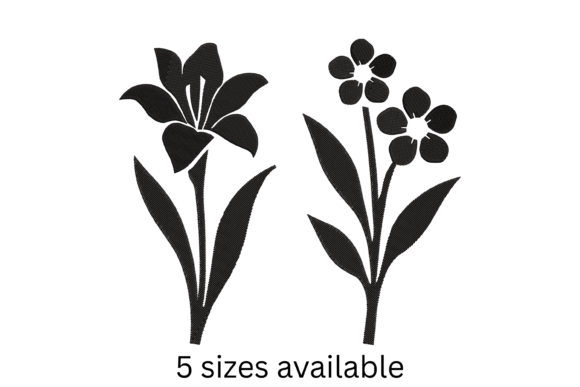
The initial visual impact of the Lily Daisy Embroidery Design is one of understated elegance. Unlike overly complex botanical illustrations that can become muddy when stitched out, this pattern relies on clean lines and balanced negative space. The mood is soft and organic, making it versatile enough for both modern minimalist aesthetics and traditional cottage-core styles. For designers creating a cohesive brand identity, this type of embroidery file offers a decorative appeal that feels intentional rather than cluttered.
The detail level appears moderate, which is crucial for machine execution. It avoids the trap of excessive micro-detailing that often leads to thread breaks or bird nests during stitching. Instead, the design seems to prioritize flow, using what likely includes a mix of satin stitch for outlines and fill stitch for petal bodies, though exact stitch types should be verified in the software preview. This approach ensures the flower remains recognizable and crisp, even at smaller scales.
Real-World Application for Handmade Products
When considering a new digital embroidery file for my shop, I immediately visualize where it will live on a physical item. The Lily Daisy Embroidery Design shines in applications where a single focal point is needed. Here is how I envision using it across different product lines:
- Custom Apparel: This design is ideal for left-chest placement on sweatshirts or cardigans. The singular flower motif provides a sophisticated accent without overwhelming the garment.
- Tote Bag Design: A medium-sized hoop placement on canvas totes creates a boutique feel. The floral theme pairs beautifully with natural fiber fabrics, enhancing the handmade product value.
- Kitchen Textiles: Imagine this stitched onto linen aprons or cotton kitchen towels. The durability of the stitch path, assuming proper density, makes it suitable for items that require frequent washing.
- Nursery Decor: Softened thread colors on baby blankets or pillow covers can create a soothing, personalized gift option for new parents.
- Embroidered Patch: If digitized with a border or cut-ready edge, this could serve as a standalone patch for caps or denim jackets.
For Etsy sellers and small business owners, versatility is key. A design that works on both a structured cap and a soft knit sweater increases your return on investment. The Lily Daisy Embroidery Design fits this criterion by maintaining its integrity across different fabric weights.
Technical Considerations and Stitch Performance
While the visual preview is promising, the true test of any machine embroidery design lies in its technical execution. Before committing to a large production run, there are several practical factors to consider.
Fabric and Stabilizer Selection
The performance of this design will heavily depend on the substrate. For stretchy fabrics like jersey knits used in t-shirts, a cut-away stabilizer is non-negotiable to prevent distortion. On woven fabrics like cotton or linen for tote bags, a tear-away stabilizer may suffice, but testing is essential. If you plan to use this on textured fabric, such as terry cloth towels, ensure the stitch density is high enough to bridge the texture gaps, or consider using a water-soluble topping to keep stitches from sinking into the pile.
Hoop Size and Scaling
One advantage of Single Flowers designs is their adaptability to various hoop sizes. However, scaling down too much can cause satin stitches to become too narrow, leading to coverage issues. Conversely, scaling up significantly may require adjusting stitch density to prevent puckering. Always check the recommended hoop size in the product details. If the design includes tiny lettering or intricate centers, verify that these elements remain legible when resized for smaller hoops, such as 4x4 inches.
Thread Color and Contrast
The visual appeal of the Lily Daisy Embroidery Design will change dramatically based on thread choice. On dark fabrics, lighter thread colors provide necessary contrast, but you must ensure the underlying fabric does not show through the stitches. Using a matching underlay or increasing fill density can help. For a subtle, tonal look on light fabrics, choose thread colors that are slightly darker than the base material to add depth without harsh lines.
Enhancing Product Value and Brand Consistency
In the competitive world of handmade goods, presentation is everything. Using a high-quality design asset like this can elevate the perceived value of your finished product. Customers often associate clean, well-executed embroidery with higher quality and care. When you use a consistent style, such as the elegant floral motif found in this design, you build brand recognition. Buyers begin to associate that specific aesthetic with your shop.
Furthermore, this design lends itself well to product photography. A simple, elegant flower stands out in lifestyle shots, whether it is on a rustic wooden table or worn by a model. This visual clarity helps in creating compelling printable mockups for online listings, allowing potential customers to visualize the final result before purchasing.
Practical Steps Before Commercial Use
Before listing items made with the Lily Daisy Embroidery Design for sale, take these precautionary steps to ensure professionalism and compliance:
- Test on Scrap Fabric: Never stitch directly on your final product. Run a test on the same type of fabric and stabilizer combination you plan to use commercially.
- Inspect Stitch Density: Check for areas that are too dense, which can cause fabric stiffness, or too sparse, which may look unfinished.
- Verify Licensing: Always review the license terms on the Creative Fabrica product page. Ensure that commercial use is permitted for physical finished products if you intend to sell them.
- Check File Compatibility: Confirm that the download includes the file format compatible with your specific embroidery machine.
- Wash Test: Wash and dry the test piece to check for shrinkage, thread bleeding, or distortion. This step is vital for building buyer trust.
In conclusion, the Lily Daisy Embroidery Design offers a promising blend of aesthetic charm and practical utility for embroidery entrepreneurs. By paying attention to technical details like stabilizer choice and stitch density, you can transform this digital file into a standout feature on your custom apparel and home goods. As with any new tool in your creative arsenal, thorough testing is the key to unlocking its full potential.