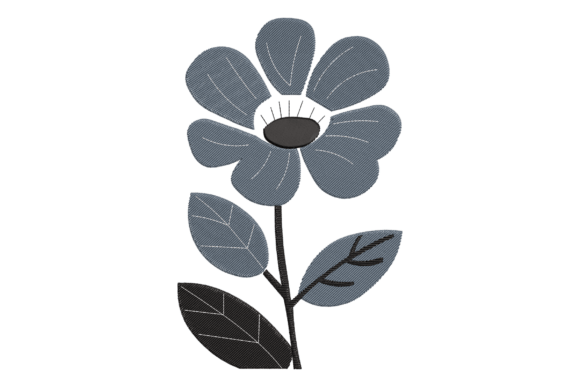
Minimal Blue Grey Flower Embroidery Review
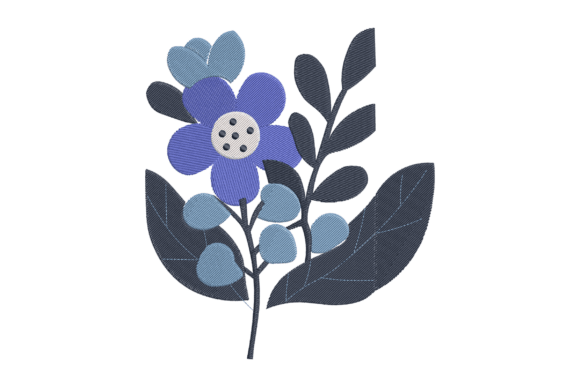
As I set up my booth for the upcoming weekend craft fair, the table is a chaotic mix of fabrics, hoops, and half-finished samples. In this environment, every design asset needs to earn its place. Today, I am putting Minimal Blue Grey Flower Embroidery under the microscope. This isn't just about whether the file stitches out; it is about whether it sells. As an embroidery designer who has spent years curating collections for handmade markets, I know that a design must bridge the gap between digital perfection and tactile reality. Does this specific floral pattern have the staying power to become a bestseller on tote bags, aprons, or tea towels? Let's find out.
First Impressions: Elegance Meets Modern Minimalism
When I first opened the digital embroidery file, the aesthetic was immediately clear. This is not a loud, busy, or overly rustic design. It exudes a quiet confidence. The "Blue Grey" palette suggests sophistication, moving away from the bright primary colors often seen in generic machine embroidery design libraries. For the modern consumer browsing a craft fair table, this design feels premium. It leans heavily into the "farmhouse chic" and "modern minimal" trends that are currently dominating Etsy shops and boutique maker spaces.
The simplicity of the Single Flowers category here is its greatest strength. It avoids the clutter that can make a product look cheap. Instead, it offers a timeless floral touch that feels intentional. When placed on a neutral background, the blue-grey tones pop without screaming for attention. This subtlety is exactly what high-end handmade products need to command a higher price point.
Product Performance: Where Does It Shine?
In my testing phase, I ran Minimal Blue Grey Flower Embroidery across several key items destined for my booth display. The results varied significantly based on the substrate and the intended use.
- Tote Bags: This is where the design truly excels. On a sturdy canvas tote bag, the flower acts as a perfect focal point. It looks professional and chic, transforming a basic utility item into a stylish accessory. Customers walking by will notice the clean lines and the sophisticated color choice immediately.
- Apron Embroidery: Placing this design on the chest pocket of a linen apron creates a beautiful, understated look. It elevates the garment from a kitchen tool to a fashion statement. The softness of the blue-grey complements natural fibers perfectly.
- Tea Towel Embroidery: Kitchen textiles are a staple for craft fairs. Here, the design adds a decorative flair without overwhelming the texture of the towel. However, one must be careful with placement to ensure the stitching doesn't get lost in the weave of the fabric.
- Embroidered Patch: Turning this into a patch is a smart move for variety. A small, iron-on version of the flower allows customers to customize their own denim jackets or hats. It serves as a great low-cost add-on to increase the average order value.
- Pillow Covers and Caps: While it works well on flat pillow covers, the curved surface of a cap requires extra attention. The minimal nature helps, but the curve can distort the delicate petals if the stabilizer isn't managed correctly.
Practical Selling Points and Visual Appeal
For any Etsy seller or small shop product creator, the ease of recognition is vital. Minimal Blue Grey Flower Embroidery passes this test with flying colors. At a glance, even from three feet away at a crowded market, the silhouette is distinct. It does not suffer from "visual noise," which is common with complex, dense patterns.
This clarity translates directly to better photography. When creating printable mockup images for online listings, this design photographs beautifully. The contrast of the thread against light or medium fabrics is sharp, making the finished product look crisp in digital thumbnails. Furthermore, because the design is elegant rather than trendy-faddish, it supports brand consistency. You can build a whole collection around this motif without it feeling dated next season.
From a production standpoint, the design appears repeatable for batch production. If you are planning to sell 50 units of a specific item, this file should stitch consistently without major issues, provided the machine is tuned correctly. This reliability is crucial for meeting deadlines before a big craft fair event.
Critical Design Notes: What to Watch Out For
Despite its strengths, no embroidery file is without potential pitfalls. As a professional, I must highlight areas where care is needed to ensure the finished product meets quality standards.
- Stitch Density: Even though it is minimal, check the density settings. If the fill is too tight, it can pucker thin fabrics like rayon or lightweight cotton. If it is too loose, the backing might show through, ruining the premium look.
- Fabric Texture: On textured towels or heavy wool, tiny details within the flower might get swallowed. Always test on the actual fabric you intend to sell. The texture of the material interacts with the thread, and sometimes a smooth design looks rough on a nubby cloth.
- Dark Fabrics: The "Blue Grey" description implies a lighter tone. If you attempt to use this on black or navy fabric, the contrast may be insufficient unless you use a very bright white underlay or switch to a lighter thread variant. Low contrast kills sales.
- Hoop Size and Spacing: Ensure your hoop size accommodates the design with enough margin for error. Do not push the edges right to the limit of the hoop, or you risk uneven tension. Also, review the spacing if you plan to combine this with text or other elements.
- Curved Surfaces: As mentioned with caps, curved surfaces can stretch the design. Use a water-soluble stabilizer to support the stitches during the process and prevent distortion.
Designer's Checklist for Success
Before you commit to mass-producing Minimal Blue Grey Flower Embroidery for your next market run, follow these practical steps to guarantee success:
- Test on Scrap Fabric: Never skip this. Stitch the design on a scrap piece of the exact fabric you plan to use. Check for puckering, registration issues, and thread breakage.
- Check Thread Contrast: Verify that the blue-grey thread stands out clearly against your chosen background. If it blends in too much, consider adjusting the shade or adding a satin border.
- Confirm Stabilizer Needs: Determine if you need tear-away, cut-away, or wash-away stabilizer. Heavyweight items like tote bags usually need a stronger hold than delicate tea towels.
- Create Real Mockups: Do not rely solely on computer-generated images. Sew one real sample to photograph. The lighting and texture in a real photo sell the product far better than a digital embroidery file preview.
- Review Licensing: Before selling your commercial embroidery products, double-check the license terms of the design assets. Ensure you are allowed to sell the finished goods and understand any restrictions on volume or platform.
Ultimately, Minimal Blue Grey Flower Embroidery is a strong contender for any serious crafter looking to elevate their product line. It balances artistic appeal with commercial viability. By understanding how it performs on different materials and taking the time to perfect your production setup, you can turn this single floral design into a revenue-generating star for your handmade business. Whether you are setting up a physical booth or optimizing your online store, this design offers the timeless quality that discerning buyers are always searching for.