Reviewing Access Required by Law Embroidery for Boutique Apparel
As an embroidery designer who spends countless hours digitizing and testing files for boutique collections, I am always on the lookout for designs that balance legal compliance with aesthetic appeal. Recently, I explored Access Required by Law Embroidery on Creative Fabrica, specifically looking at its potential for modern service dog vest patches and ADA compliance signage. While the primary description highlights its utility for service dog vests, my focus shifted to how this digital machine embroidery file could elevate a small sweatshirt or hoodie collection for an online shop.
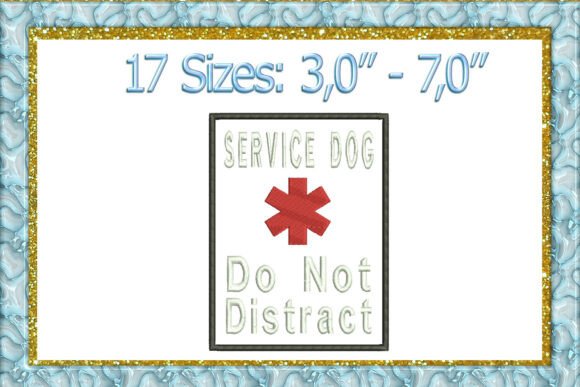
The product, listed under the Dogs category, is described as an embroidery design perfect for adding to a vest. However, for the creative entrepreneur or Etsy seller, the versatility of such a clear, authoritative phrase extends far beyond animal gear. Let’s dive into why this specific design caught my eye and how it performs in a real-world apparel context.
Visual Personality and Stitching Mood
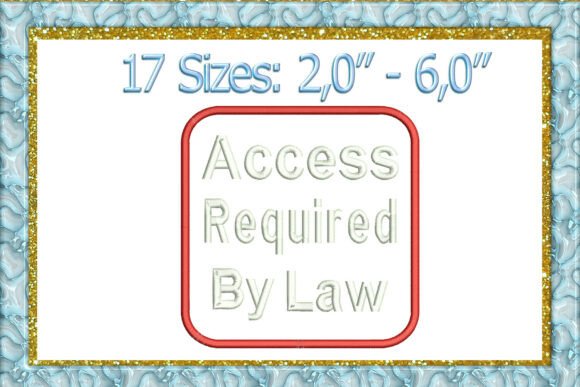
My first impression of Access Required by Law Embroidery was one of bold clarity. In the world of custom apparel, legibility is paramount, especially when dealing with text-based designs. This embroidery file does not attempt to be overly decorative or whimsical; instead, it leans into a premium, professional aesthetic. The stitching mood feels authoritative yet clean, which is essential for any project involving ADA compliance or service animal identification.
For boutique brands, this minimal approach is a strength. It avoids the clutter often found in lower-quality machine embroidery designs. The detail level appears sufficient to maintain readability even at smaller scales, making it suitable for both large back designs and subtle chest placements. It feels classic rather than trendy, ensuring that your finished product remains relevant season after season. Whether you are aiming for a rustic look on denim or a sleek finish on high-end fleece, the visual consistency of this design supports a wide range of fabric textures.
Performance Across Apparel Types
When planning a new collection, I test designs on various garments to ensure versatility. Here is how Access Required by Law Embroidery performs across different items:
- Sweatshirt Embroidery: On neutral sweatshirts, the design stands out sharply against the soft fabric texture. The stitch density seems balanced enough to prevent excessive puckering on medium-weight cotton blends.
- Hoodie Design: For pastel hoodies or dark apparel, thread color contrast is key. This design allows for high-visibility thread choices, making it ideal for chest placement where immediate recognition is necessary.
- T-Shirt Embroidery: While primarily designed for heavier materials like vests, using this on a t-shirt requires careful stabilizer choice. It works best as a pocket accent or a small left-chest logo rather than a large central graphic.
- Tote Bag Design: The durability of the stitch pattern makes it excellent for tote bags, adding a layer of professional presentation to handmade products.
- Denim Jackets: The bold nature of the text complements the ruggedness of denim, creating a striking statement piece for lifestyle product photos.
For Etsy sellers and small shop owners, this versatility means you can create a cohesive line of commercial embroidery products without needing multiple complex files. The design translates well into printable mockups, allowing you to showcase the item on social media graphics before you even stitch a single thread.
Strategic Placement and Fabric Considerations
While Access Required by Law Embroidery is robust, placement matters. On curved surfaces like the sleeve of an oversized garment, you must ensure the hoop size accommodates the curve without distorting the text. Dense stitch areas can sometimes cause stiffness, so I recommend testing on scrap fabric first. This is particularly important for fleece and ribbed fabric, which behave differently under the needle.
Dark garments require bright thread colors to maintain the "compliance sign" aesthetic. If the thread color blends too much with the fabric, the message loses its impact. Conversely, on light fabrics, deep navy or black threads provide the necessary authority. Always check the stitch density; if it feels too heavy for a lightweight t-shirt, consider reducing the density in your software if the file format allows, or choose a heavier garment like a hoodie or jacket.
Enhancing Brand Identity and Buyer Trust
Incorporating Access Required by Law Embroidery into your boutique brand can significantly affect buyer trust. When customers see clear, professionally stitched text, they perceive higher value. It signals that your handmade product is not just a craft project, but a serious piece of functional apparel. This professional presentation helps with product recognition, especially if you are building a niche around service animal accessories or inclusive fashion.
For creative entrepreneurs, visual consistency is crucial. Using a single, high-quality embroidery file across various products—from vests to tote bags—creates a recognizable brand identity. Customers begin to associate that clean, bold stitching with your shop’s quality standards. This engagement drives repeat business and positive reviews, which are vital for growth on platforms like Etsy.
Practical Designer Notes for Production
Before launching this design in your store, keep these practical tips in mind:
- Test on Scrap Fabric: Always run a test stitch on the same fabric type you plan to use for production. This helps you identify any issues with pull or puckering.
- Check Stabilizer Choice: For stretchy fabric or fleece, a cut-away stabilizer is often better than tear-away to support the stitch density over time.
- Review Thread Color Contrast: Ensure your thread colors pop against the garment. High contrast is essential for the readability of compliance-related text.
- Confirm Hoop Size: Verify that your machine’s hoop size can accommodate the full design without resizing, which can distort lettering.
- Inspect Stitch Density: Look closely at the preview. If the design feels too dense for your specific fabric, adjust your tension or stabilizer accordingly.
- Check Licensing: Before selling finished apparel, review the Creative Fabrica product details and licensing terms. Ensure that commercial use is permitted for physical goods.
It is important to note that the product description mentions it is a digital machine embroidery file, perfect for adding to a vest. However, it does not explicitly list stitch count, specific file formats, or exact hoop size requirements in the brief snippet provided. As a professional, I advise readers to confirm those details on the product page before production. Knowing whether you are getting PES, DST, or other formats ensures compatibility with your specific embroidery machine.
Final Thoughts for the Creative Entrepreneur
Access Required by Law Embroidery is more than just a functional patch; it is a versatile asset for any embroidery designer looking to expand their boutique offerings. Whether you are creating service dog vests, cozy seasonal outfits, or statement denim jackets, this design offers the clarity and professionalism needed for high-end custom apparel. By paying attention to fabric texture, stabilizer choice, and placement, you can transform a simple digital embroidery file into a standout bestseller for your small clothing brand.