Reviewing Fall Winter Hat Embroidery Designs for Boutiques
As an embroidery designer who has spent years refining digitizing techniques for small clothing brands, I approach every new machine embroidery design with a critical eye. It is not just about whether the file opens correctly; it is about how that design translates onto fabric, how it elevates a garment, and whether it can withstand the rigors of commercial apparel use. Recently, I evaluated the Fall Winter Hat Embroidery Designs collection for a potential integration into a premium sweatshirt drop for a client’s boutique brand. This review breaks down the aesthetic appeal, technical viability, and commercial potential of these cozy beanie motifs.
First Impressions: Mood and Aesthetic Appeal
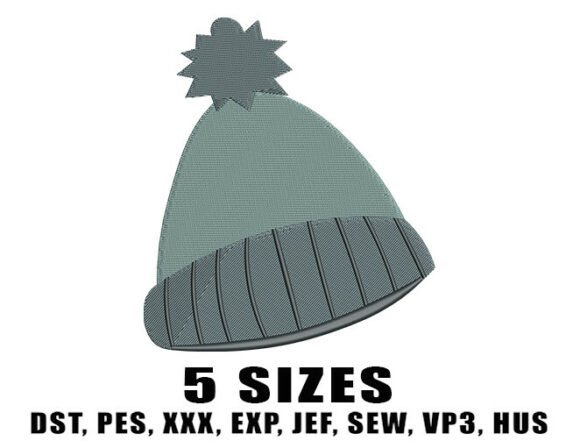
The initial visual impact of the Fall Winter Hat Embroidery Designs is undeniably charming. The description highlights a "Winter Beanie" theme, which immediately conjures images of warmth, comfort, and seasonal nostalgia. For a designer, this is a strong starting point because it taps into the emotional connection customers have with winter apparel. The design feels less like a generic clipart addition and more like a deliberate decorative element that enhances the narrative of the garment.
In terms of style, the motif strikes a balance between cute and rustic. It is playful enough to attract a younger demographic on platforms like Etsy, yet simple enough to maintain a minimal, sophisticated look when scaled appropriately. The layout appears clean, avoiding unnecessary clutter that often plagues lower-quality digital embroidery files. This simplicity is crucial for modern boutique aesthetics, where less is often more. When I imagine this stitched onto a neutral cream or oatmeal-colored sweatshirt, the result is a finished product that feels high-end and thoughtfully curated.
Versatility Across Garment Types and Placements
One of the strongest assets of this collection is its adaptability. While the title suggests hat embroidery, the versatility of the design allows it to shine on various apparel items. For a limited sweatshirt drop, I envision using the smaller sizes for subtle chest placements on oversized hoodies. This creates a bespoke feel, similar to high-street fashion labels that use small logos or icons to establish brand identity without overwhelming the viewer.
For those looking to create bold statement pieces, the larger sizes offer excellent potential for back designs. Imagine a dark charcoal hoodie featuring the largest 7.8-inch version of the beanie design in contrasting thread colors. The visual weight would be substantial, making it a focal point for lifestyle product photography. Additionally, these designs work beautifully as sleeve accents. Placing a medium-sized motif on the forearm of a pastel-colored sweatshirt adds a unique touch that distinguishes a handmade product from mass-produced alternatives.
The availability of five distinct sizes is a significant advantage for custom apparel projects. With dimensions ranging from 3.8 inches to 7.8 inches, designers can choose the perfect scale for different applications. The smallest size is ideal for delicate details on children’s apparel or accessories, while the largest size commands attention on adult outerwear. This range ensures that the design remains readable and impactful regardless of the garment’s proportions.
Technical Considerations for Commercial Embroidery
From a technical standpoint, executing these designs requires attention to detail. Since the target fabric is likely heavy cotton or fleece blends typical of quality sweatshirts, stitch density becomes a primary concern. A design intended for winter apparel must have sufficient coverage to look plush and premium, but not so dense that it causes puckering or stiffness. Based on the visual complexity of a beanie motif, I anticipate moderate stitch density, which is generally safe for most home and semi-industrial machines.
Fabric texture plays a crucial role in the final outcome. On smooth, high-quality fleece, the threads will lay flat and reflect light evenly, enhancing the design’s clarity. However, on textured or ribbed fabrics, the design might lose some definition. Therefore, I recommend testing on the specific fabric stock before full production. Stabilizer choice is equally important. For stretchy sweatshirt materials, a cut-away stabilizer is essential to prevent distortion during wear and washing. This ensures that the embroidery maintains its shape and integrity over time, a key factor in building buyer trust.
Thread color contrast is another vital element. To make the beanie design pop, selecting threads that contrast sharply with the base fabric is recommended. For example, using deep burgundy or forest green threads on a light gray sweatshirt creates a rich, autumnal vibe perfect for Thanksgiving collections. Conversely, tonal stitching—using a thread color slightly darker than the fabric—can create a subtle, elegant effect suitable for minimalist brands.
Enhancing Brand Identity and Product Value
Incorporating unique design assets like the Fall Winter Hat Embroidery Designs can significantly elevate a small shop’s product value. In a saturated market, distinctive embroidery sets a boutique brand apart. It signals to customers that care and craftsmanship went into the creation of the item. This perception of quality allows sellers to command higher price points and fosters customer loyalty.
For Etsy sellers and creative entrepreneurs, these designs offer excellent opportunities for visual recognition. When used consistently across a product line, such as on matching hats and sweatshirts, the motif becomes a signature element of the brand. This consistency helps in building a cohesive brand identity that customers can easily recognize and remember. Furthermore, the seasonal nature of the design makes it perfect for holiday apparel campaigns, driving engagement during peak shopping periods.
Creating printable mockups and digital previews using these designs can also boost online sales. High-quality images that show the embroidery in context help customers visualize the finished product, reducing hesitation and increasing conversion rates. The cozy, inviting nature of the beanie motif aligns perfectly with the desire for comfort and warmth that drives winter purchases.
Final Verdict and Production Tips
The Fall Winter Hat Embroidery Designs are a solid addition to any designer’s library, particularly for those focusing on seasonal and casual wear. They offer a blend of charm and professionalism that appeals to a broad audience. However, before committing to a large production run, it is imperative to verify specific technical details. The product description does not specify the exact stitch count, file formats included, or precise hoop size requirements for each variant. Designers should check these details to ensure compatibility with their specific embroidery machines.
Additionally, always perform a test stitch on a scrap piece of the actual garment fabric. This step allows you to assess tension, thread breakage, and overall appearance under real-world conditions. Adjusting pull compensation and density settings may be necessary to achieve the best results on thicker materials.
In conclusion, these designs are well-suited for commercial embroidery projects aimed at small boutiques and handmade businesses. They provide the flexibility needed for various placements and garments while maintaining a cohesive seasonal theme. By paying attention to thread choices, stabilizers, and placement strategies, embroiderers can transform these digital files into standout pieces that enhance their brand’s reputation and drive sales. Whether for a Thanksgiving special or a general winter collection, this design set offers the creative potential to produce memorable, high-quality apparel.