Reviewing the Immediately No Embroidery Design
As a designer who has spent countless hours digitizing and testing machine embroidery design files, I approach every new asset with a critical eye. It is not just about whether the image looks cute on a screen; it is about how it translates to thread, fabric, and ultimately, the hands of the customer. Recently, I evaluated the Immediately No Embroidery Design, a piece categorized under Religion that promises a whimsical touch for various textile projects. Here is my practical assessment of how this design performs in real-world scenarios.
First Impressions and Visual Personality
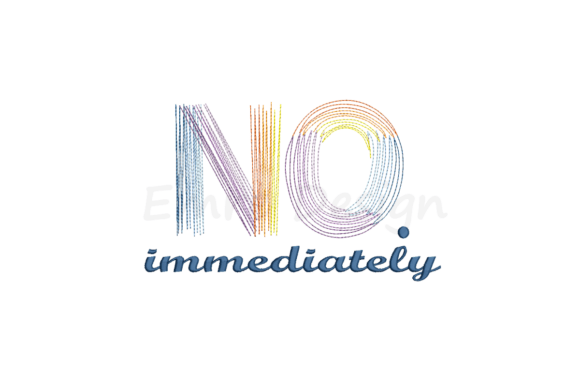
The first thing that strikes you about the Immediately No Embroidery Design is its bold, declarative nature. In a market saturated with soft, passive religious motifs, this design stands out with a sense of humor and immediacy. The layout feels balanced, relying on clear typography and simple graphical elements that suggest a modern, perhaps slightly irreverent, take on faith-based decor. For an embroidery project, clarity is king. If the lines are too thin or the details too dense, the message gets lost in the pile of the fabric. This design appears to prioritize legibility, which is crucial for any text-heavy digital embroidery file.
The mood it creates is lighthearted yet grounded. It does not feel overly solemn, making it versatile for everyday items rather than just formal liturgical wear. This versatility is what makes it appealing to Etsy sellers and craft business owners who need products that resonate with a younger or more casual demographic within the Religion category.
Real-World Application: The Custom Tote Test
To truly understand the value of an embroidery file, you must visualize it on a specific product. I imagined using this design for a custom canvas tote bag, a staple item for many small shop product lines. Canvas provides a stable, textured surface that holds stitches well. The whimsical nature of the design pairs perfectly with the utilitarian vibe of a tote.
When stitched out, the design would likely rely on a combination of satin stitch for the lettering and fill stitch for any background elements or icons. On a natural cotton canvas, the contrast between the thread and the fabric texture becomes a key design element. I would recommend using high-contrast thread colors to ensure the message pops. A dark navy or black thread on a beige tote would create a sophisticated, boutique look, while bright primary colors could lean into the playful, whimsical description provided in the product details.
Performance on Apparel and Home Decor
Beyond totes, this design has potential for custom apparel. Imagine it on the chest of a heavyweight sweatshirt. The sweatshirt embroidery market is huge, but it requires careful attention to stitch density. If the design is too dense, it can make the garment stiff and uncomfortable. As a reviewer, I advise checking the stitch count and density settings before running a full production batch. For a personalized gift like a baby onesie, the scale might need adjustment. Baby embroidery requires softer threads and less density to avoid irritating sensitive skin. While the design is charming, its suitability for infant wear depends entirely on how small it can be scaled without losing detail.
In the realm of home decor, such as pillow covers or kitchen towels, the design adds a conversational piece to the room. A holiday embroidery project often leans traditional, but this design offers a fresh alternative for those who want their faith expressions to feel current and relatable. However, when working with terry cloth towels, the fabric texture can swallow small details. Using a proper stabilizer is non-negotiable here to prevent puckering and ensure the running stitch outlines remain crisp.
Technical Considerations and Limitations
No design is perfect for every application. There are specific scenarios where the Immediately No Embroidery Design should be used with caution. First, consider the hoop size. If the design includes intricate corners or tiny lettering, it may not translate well in a small 4x4 inch hoop. Always check the minimum recommended hoop size in the file specifications. Second, be wary of using this on highly stretchy fabrics like jersey knits without adequate stabilization. The tension from the stitches can distort the fabric, warping the text and ruining the visual appeal.
Dark fabrics present another challenge. If the design relies on light-colored threads, you may need to use an underlay stitch or even an applique design technique to ensure visibility. Testing the design in black and white mockups can help you gauge contrast issues before you thread up the machine. Additionally, curved surfaces like caps require specialized digitizing. If this file is not specifically optimized for cap frames, the curvature of the hat could distort the text, making it difficult to read.
Enhancing Brand Value and Customer Trust
For commercial embroidery professionals, the quality of your design assets directly impacts your brand consistency. A clean, well-digitized file like this one can enhance the perceived value of your handmade product. Customers trust products that look professional. Sloppy stitching, caused by poor file quality or improper setup, erodes that trust. By choosing a design that balances whimsy with technical feasibility, you signal to your buyers that you care about the finished product.
This design also works well for printable mockup previews. Because of its clear shapes and strong visual identity, it photographs well, allowing digital product sellers to create compelling listings. Whether you are selling the physical embroidered patch or the digital file itself, the visual clarity of the design aids in buyer engagement.
Practical Notes for the Designer
Before committing to a large run or listing this as a core product, take these practical steps:
- Test on scrap fabric: Always stitch a sample on the exact material you plan to use for the final product.
- Check thread contrast: Ensure your chosen thread colors stand out against the background fabric.
- Review stitch density: Adjust if necessary to maintain fabric drape and comfort.
- Confirm licensing: Verify if the file allows for commercial use if you intend to sell small shop product items made with it.
- Inspect small details: Zoom in on the digitized file to check for jump stitches or unnecessary trims that could slow down production.
The Immediately No Embroidery Design offers a fun, personality-driven option for those looking to spruce up fabrics with a touch of whimsy. It fits naturally into the Religion category while appealing to a broader audience through its modern aesthetic. By understanding its strengths and limitations, you can leverage this machine embroidery design to create standout pieces for your craft business or personal collection.