Wild Tiger Embroidery Design Review for Craft Fairs
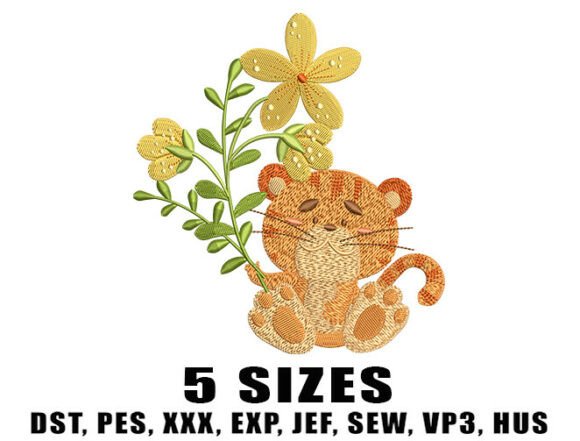
As an embroidery designer who spends countless hours prepping for weekend markets, I know that the difference between a slow booth and a sold-out table often comes down to visual impact. When I first loaded the Wild Tiger Embroidery Design into my digitizing software, my immediate reaction was one of relief. In a sea of generic florals and overused quotes, this design offers a distinct personality. It features an adorable baby tiger holding a yellow bloom, striking a balance between wild energy and soft nursery charm. For those of us running small shop products or Etsy stores, finding a digital embroidery file that translates well from screen to fabric is crucial.
First Impressions and Visual Appeal
The aesthetic of this piece is undeniably cute but with enough detail to feel premium. It does not scream "rustic" or "farmhouse" in the traditional sense; instead, it leans into a modern, jungle-themed vibe that appeals to parents looking for unique nursery decor. The contrast between the tiger’s stripes and the bright yellow flower creates an instant focal point. When evaluating a craft fair product, I look for designs that can be understood at a glance from three feet away. This design passes that test. The bold lines of the tiger ensure it stands out against various fabric textures, while the flower adds a pop of color that draws the eye.
For handmade product creators, versatility is key. This design feels right at home on items intended for children, yet it is sophisticated enough for adult accessories if styled correctly. It avoids being overly cartoonish, which helps maintain a sense of handmade quality and brand consistency across different product lines.
Product Applications for Maximum Sales
When planning my booth display, I consider which items will highlight the strengths of the Wild Tiger Embroidery Design. Here is how it performs across common market staples:
- Tote Bag Design: This is arguably the strongest application. A canvas tote provides a large, flat surface where the design can breathe. Using Sizes 3 or 4 (5.8 to 6.8 inches) allows the details of the tiger’s face and the flower petals to shine. It transforms a basic bag into a statement piece.
- Apron Embroidery: Kids’ aprons are perennial bestsellers. Placing the tiger on the bib area creates an adorable look that parents love for photo opportunities. The design holds up well here, provided the stitch density is managed to prevent puckering on lighter cottons.
- Tea Towel Embroidery: While popular, towels can be tricky. The looped fabric texture can sometimes obscure fine details. For this design, I recommend using a cut-away stabilizer and ensuring the thread colors contrast sharply with the towel color. A white or cream towel with dark orange and black threads works best.
- Embroidered Patch: Creating iron-on patches is a fantastic way to offer lower-priced items. The clear outlines of the tiger make it ideal for patch production. You can hoop multiple patches at once, maximizing your production efficiency for commercial embroidery runs.
- Caps and Hats: Curved surfaces are challenging. If you attempt this on a cap, stick to Size 1 or 2 (3.8 to 4.8 inches). Anything larger may distort around the seams. Ensure you use a stiff stabilizer to support the curved fabric texture.
Practical Production and Selling Points
From a business perspective, the Wild Tiger Embroidery Design is a strong asset because it is highly repeatable. Batch production is easier when you do not have to worry about complex gradients or fragile micro-details. The five included sizes offer flexibility, allowing you to scale the design for different hoop sizes without losing the core character of the image.
Photography is another major factor. This design photographs beautifully for online listings. The yellow bloom provides a natural highlight that catches light well, making your printable mockup and real-life photos pop on social media. For an Etsy seller, having a design that looks vibrant in thumbnails is half the battle. It encourages buyer engagement and helps your finished product stand out in search results.
Careful-Use Notes and Technical Considerations
While this design is robust, there are technical aspects to consider before you start stitching. Always check the stitch density in your software. Dense stitch areas, particularly in the tiger’s stripes, can cause fabric pull if not stabilized correctly. On thick fabric or textured towels, you may need to adjust the underlay stitches to ensure the top threads sit properly.
Small lettering is not part of this specific design, which is actually a benefit. It means you do not have to worry about tiny text becoming illegible at smaller sizes. However, if you plan to add custom names, keep them separate from the main graphic to maintain clarity. Also, be mindful of dark fabric. If stitching on navy or black, ensure you use high-contrast thread colors for the flower and the tiger’s highlights to prevent the design from getting lost.
Always verify the hoop size compatibility with your machine. The description lists sizes ranging from 3.8 inches to 6.8 inches. Confirm that your specific hoop can accommodate the largest size if you plan to use it on tote bags or pillow covers.
Designer Tips for Best Results
To ensure your commercial embroidery products meet high standards, follow these practical steps:
- Test on Scrap Fabric: Never run a new design on final product material without a test. Check for thread breaks and tension issues.
- Check Thread Contrast: View your design assets in grayscale to ensure the values are distinct. The tiger should be clearly separable from the background.
- Review Spacing: Ensure there is adequate space between the tiger and the flower to prevent thread buildup.
- Use the Right Stabilizer: Match your stabilizer to your fabric texture. Cut-away for stretchy fabrics, tear-away for stable wovens.
- Create Real Mockups: Before listing, stitch one sample on each type of product you intend to sell. Compare fabric colors to see which combinations yield the highest visual appeal.
- Confirm Licensing: Always review the license terms of your digital embroidery file. Ensure you have rights for commercial use if you are selling finished products at craft fairs or online.
In conclusion, the Wild Tiger Embroidery Design is a versatile and marketable addition to any embroidery business. It balances cuteness with quality, making it suitable for a wide range of nursery and kids' items. By paying attention to fabric choice and stabilization, you can create high-value handmade products that attract attention and drive sales at your next market event.