Reviewing the Blue White Hibiscus Embroidery Design
As a designer who has spent years staring at digitized patterns on a screen and then watching them come to life under the needle, I have learned that not all floral motifs are created equal. Some look beautiful in a thumbnail but turn into a tangled mess of thread breaks and puckering on actual fabric. Recently, I had the chance to evaluate the Blue White Hibiscus Embroidery Design, a digital file categorized under Single Flowers, to see if it holds up in real-world production. My goal was not just to admire the aesthetic, but to determine its viability for client projects, small shop merchandise, and personalized gifts.
First Impressions and Visual Mood
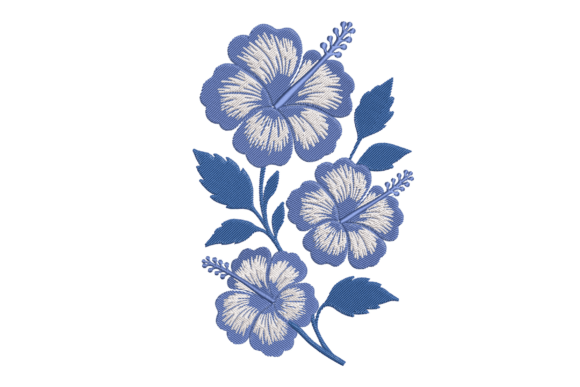
The first thing that strikes you about this embroidery file is its clean, timeless appeal. The contrast between the deep blue petals and the crisp white accents creates a visual pop that feels both modern and classic. Unlike overly complex botanical illustrations that rely on thousands of tiny stitches, this design relies on strong shapes and clear lines. This simplicity is often where true elegance lies in machine embroidery. The layout suggests a confident hand; it does not try to do too much, which usually translates to better stitching reliability.
For an Etsy seller or a boutique owner, visual clarity is crucial. Customers scrolling through digital listings need to instantly recognize the subject. This hibiscus delivers that immediate recognition. It feels airy and light, making it an excellent candidate for spring collections, summer apparel, or coastal-themed home decor. The mood is relaxed yet polished, fitting seamlessly into a brand identity that values handmade quality without appearing cluttered.
Real-World Application: The Tote Bag Test
To truly understand how a design performs, you must put it on fabric. I decided to test this pattern on a heavy cotton canvas tote bag, a staple item for many craft business owners. Canvas can be unforgiving if the stitch density is too high, leading to stiff, board-like patches, or too low, resulting in visible fabric show-through.
The Blue White Hibiscus Embroidery Design handled the textured surface of the canvas remarkably well. The use of what appears to be a combination of satin stitch for the outlines and fill stitch for the petals provided enough coverage to make the colors vibrant against the natural beige background. I used a medium-weight cut stabilizer to ensure the hoop tension did not distort the bag’s shape. The result was a crisp, professional-looking tote bag design that looked like it belonged in a high-end retail store rather than a hobbyist’s basement.
This success translates directly to other sturdy fabrics. I can easily envision this design working beautifully on denim jackets, aprons, or even structured pillow covers. For custom apparel, such as a linen shirt or a cotton sweatshirt, the design offers a sophisticated accent that doesn’t overwhelm the garment. It is subtle enough for daily wear but distinct enough to serve as a branding element for a small shop product.
Navigating Fabric Challenges
While the design performed well on canvas, a responsible designer must consider where it might struggle. Thin or stretchy fabrics require extra caution. If you are planning to use this on a lightweight rayon blouse or a jersey t-shirt, the weight of the threads could cause pulling. In these cases, using a high-quality tear-away or wash-away stabilizer is non-negotiable. Additionally, because the design features white elements, placing it on dark fabric requires careful consideration of thread opacity. You may need to adjust your thread colors or add an underlay to prevent the dark fabric from peeking through the white sections, which can diminish the perceived value of the finished product.
Curved surfaces, such as caps or baby hats, present another challenge. The hibiscus shape is relatively broad. On a small hoop size, you might need to scale the design down significantly. When shrinking embroidery designs, fine details can merge, and satin stitches can become too dense, leading to thread breaks. I recommend testing a scaled-down version on scrap fabric before committing to a final baby embroidery project or a hat. If the details blur, the design may need re-digitizing for smaller applications, or you might choose a different motif from the Single Flowers category that is inherently more compact.
Commercial Viability and Brand Consistency
For those selling digital embroidery files or finished goods, consistency is key. This design offers a versatile asset that can be used across various product lines without losing its identity. Whether it is stitched onto a kitchen towel for a holiday embroidery gift set or applied as an embroidered patch for a jacket, the hibiscus maintains its integrity. This reliability builds customer trust. When buyers see consistent quality in your handmade product lineup, they are more likely to return for future purchases.
Moreover, the design lends itself well to printable mockups. Because the shapes are defined, you can create realistic digital previews for your online store without needing to stitch every single color variation physically. This saves time and resources for creative entrepreneurs who need to keep their inventory listings fresh. However, always remember to verify the license terms provided with the machine embroidery design. Ensure that your intended use, whether for personal gifts or commercial sales, aligns with the creator’s permissions.
Practical Designer Notes
Before you load this file into your machine, take a moment to review the technical specifics. Since the product description does not list exact stitch counts or compatible formats, check the included documentation carefully. Here are my top recommendations for getting the best results:
- Test on Scrap Fabric: Always run a test stitch-out on the same type of fabric you plan to use for the final item. This helps you identify any tension issues or color clashes.
- Check Thread Contrast: The blue and white combination is striking, but ensure your white thread is bright and not off-white unless that is the intended aesthetic. High contrast enhances the visual appeal.
- Inspect Small Details: Zoom in on the digitized file to check for any unusually short stitches or jumps that might cause nesting. Clean up any unnecessary trim points if your software allows.
- Consider Lighting: View your stitched sample in both natural and artificial light. Sometimes, certain thread sheens can look different under store lighting versus daylight, affecting how customers perceive the design assets.
- Stabilizer Selection: Match your stabilizer to your fabric. Heavy fabrics need cut stabilizers for support, while lighter knits may benefit from wash-away options to maintain softness.
In conclusion, the Blue White Hibiscus Embroidery Design is a solid addition to any designer’s library. It balances aesthetic charm with practical stitchability, making it a reliable choice for a wide range of embroidery projects. By understanding its strengths and respecting its limitations regarding fabric types and sizing, you can create stunning, professional-quality items that resonate with your audience. Whether you are decorating a single sweatshirt embroidery piece or building a entire collection of floral-themed goods, this design offers the versatility and elegance needed to succeed in the competitive world of handmade commerce.